Starting out as a runner isn’t just about willpower — it’s about having the right gear to make the process safe, comfortable, and sustainable. The wrong shoes, socks, or clothing can turn an already-tough run into something miserable. The right setup, on the other hand, makes running something you can look forward to.
This guide covers the essentials every new runner should know, with some extra advice for those of us starting out heavier. I’m not getting paid for any of this. These companies and products are just what I’ve found that works.
Shoes: Your Most Important Investment
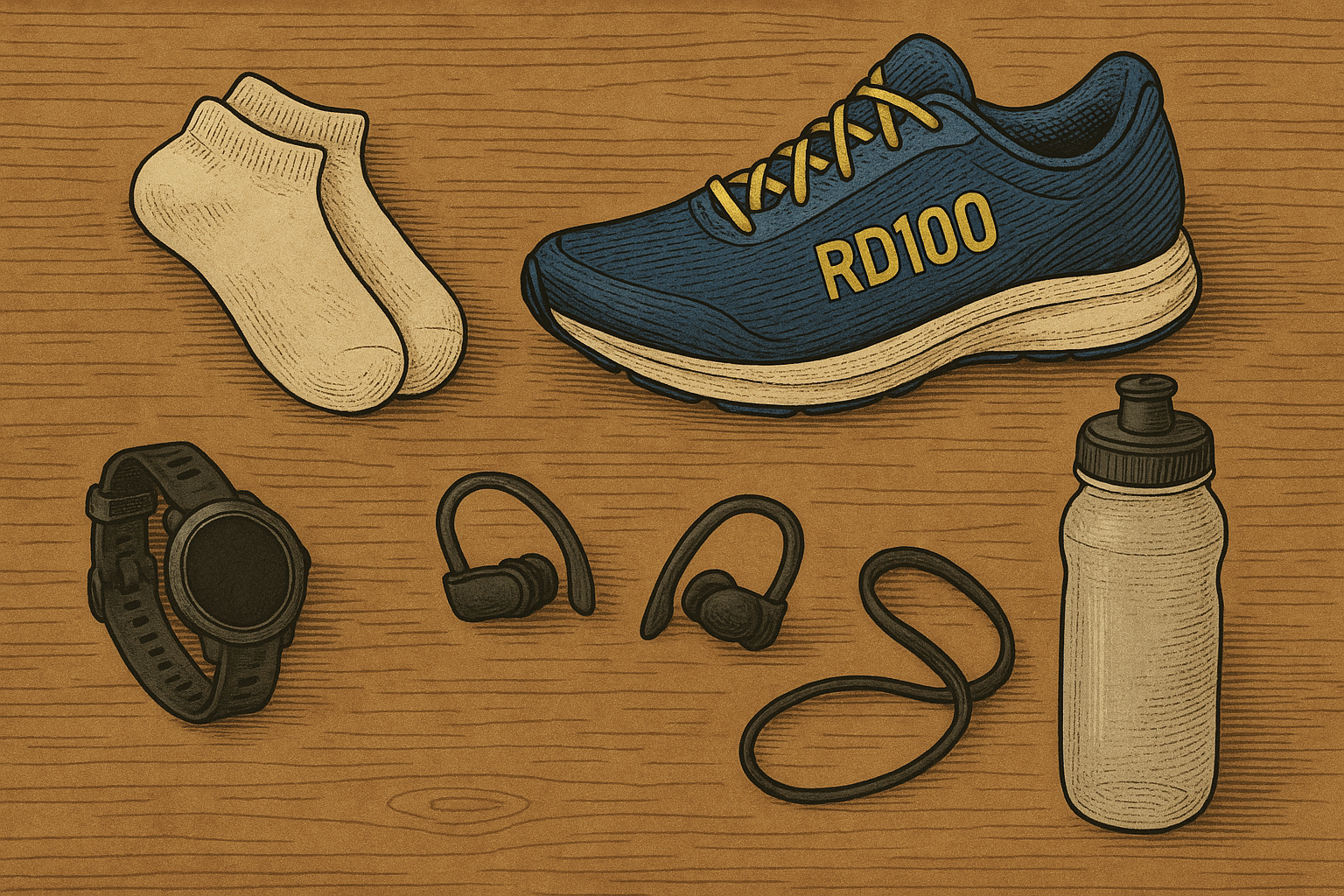
If you buy only one piece of gear, make it proper running shoes. I use Brooks running shoes. I’ve tried Nike, New Balance and Hoka. They were all fine, but something about Brooks just agrees with my feet. Go to a specialty running store where staff can analyze your gait and recommend the right shoe for your stride.
- Pronation check: Many beginners don’t know what pronation is. It’s simply how your foot rolls when it hits the ground. Overpronation means rolling inward, underpronation (supination) means rolling outward, and neutral means staying balanced. The right shoe can give you extra stability if you need it.
- Cushioning matters: New runners often benefit from more cushion. If you’re starting heavier, this becomes even more important because it takes stress off your knees and ankles while your body adapts.
- When to replace: Running shoes generally last about 300–500 miles, but don’t treat that as gospel. If the tread is worn down, or if the midsole feels “flat” and collapsed, replace them sooner. Heavier runners may need to swap shoes earlier.
- Bring old shoes: If you have an old pair of sneakers, bring them. The wear pattern on the sole can tell the store a lot about your running form.
Socks: Prevent Blisters Before They Start
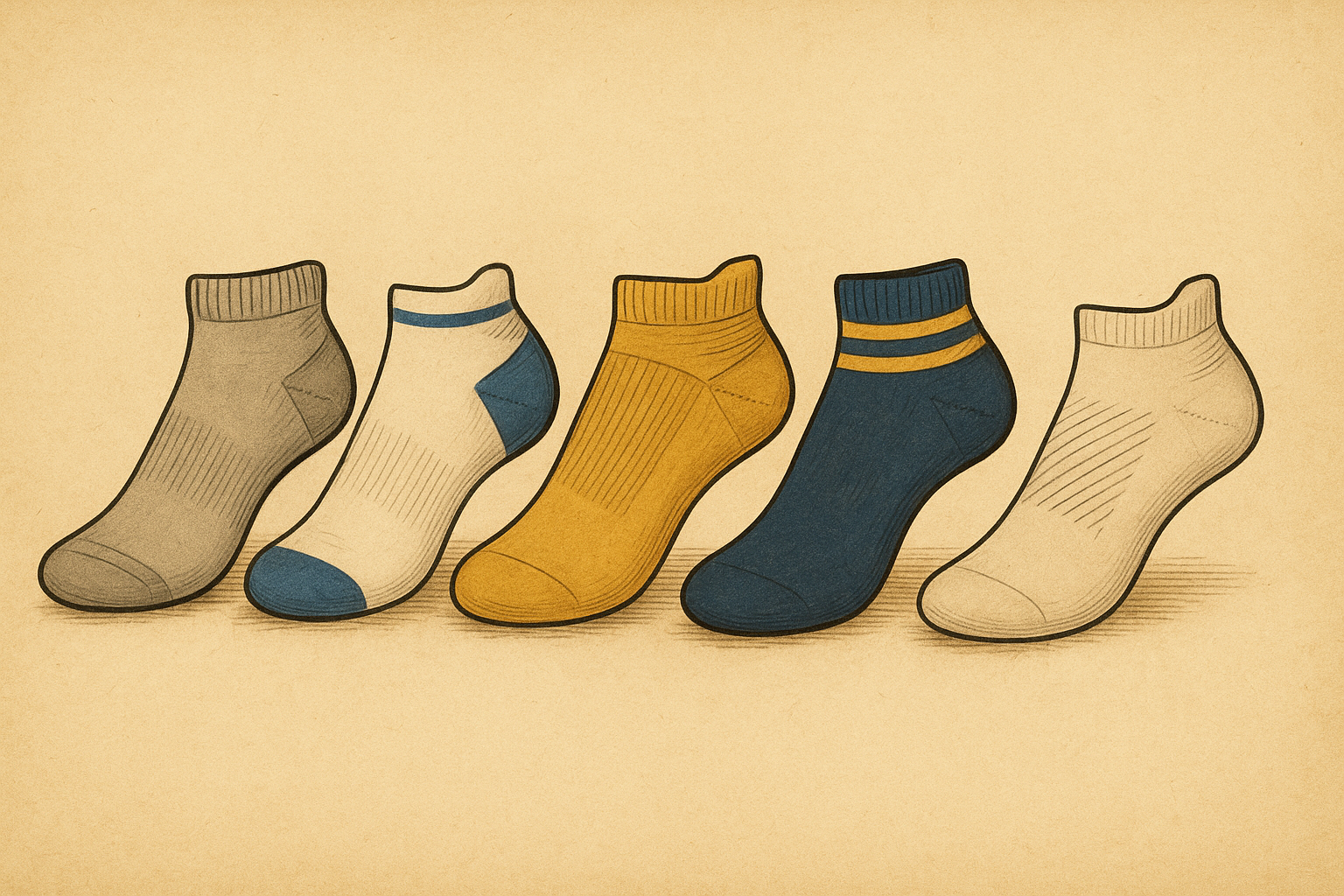
Blisters are one of the fastest ways to ruin running. Good socks prevent them.
- Skip cotton — it traps sweat.
- Go for technical running socks (nylon, polyester, merino wool). I typically run with Swiftwick.
- Look for pairs with extra cushion in the heel and forefoot.
- Compression socks may help with swelling on longer runs.
I have done a first run review of 5 of the most popular running socks here.
Shorts and Shirts: Fight Chafing and Stay Comfortable
Clothing is all about preventing distractions, and sometimes it takes experimenting to find what works for you.
- Shorts: Some runners prefer 2-in-1 shorts with a built-in compression liner, while others like shorts with a mesh liner. I started with basic running shorts, but lately I’ve been using mesh-lined and actually like them. If you get shorts without a liner, good underwear makes a world of difference. I swear by Exofficio, even though they’re expensive. Back when I had a job that required walking miles every day, I got galled constantly — Exofficio was the only brand that consistently worked.
- Shirts: Right now I go with cheap tech shirts off Amazon — they sell 5-packs that work fine for training. They also come in plus and tall sizes. For race days, I sometimes splurge on something higher-end like Under Armour, but I’m open to trying other brands in the future.
Sweat Management: Hats, Headbands, Buffs
People think of hats and headbands as optional, but once you start using them, you realize how much more comfortable they make your runs.
- Hats: I use Alter Ego hats because they actually fit the shape of my head. A lot of running hats hug tight, which I don’t like. Hats aren’t just for sun and sweat — they’re lifesavers in the rain. Without one, rain smacking your face gets old really fast.
- Headbands: I love Halo headbands. They have a silicone band across the forehead that stops sweat from running into your eyes. It sounds simple, but it works better than anything else I’ve tried.
Cold-Weather and Winter Running
I actually love running in the cold. My sweet spot is around 32°F — cold enough to feel crisp but not painful. Part of it is control: in summer heat, no clothing can make 95° feel comfortable, but in the cold, you can always add layers until you’re warm.
- Base layers: I use Under Armour and Nike cold gear as my go-to starting point.
- Jackets: A cold-weather running jacket on top of a base layer usually gets me through most St. Louis winters.
- Head and face: A beanie is non-negotiable. When temps drop into the 20s, I add a balaclava under it. Sure, I look like I’m about to rob a bank, but bright colors help offset that vibe.
- Legs: When I first started, I wore tights with loose pants over them. Eventually I said “forget it” and just wore tights — especially since most of my cold runs happen in the dark anyway.
- Socks: In cool weather, I switch to merino wool socks for warmth and breathability.
- Gloves: I keep three pairs: light, medium, and heavy. For the coldest days, fleece mittens are the best — your fingers share warmth and stay much more comfortable.
- Snow: I haven’t run in heavy snow yet. In St. Louis, snow usually melts within three days. On the rare snowy runs, sidewalks have always had enough clear space to use my normal shoes.
Sports Bras (For Women)
Sports bras are one of the most important pieces of gear for women runners. The right one prevents discomfort and long-term strain. Different body types need different levels of support, so my best advice is simple: don’t skimp here. There are excellent resources written by women runners that go into detail about choosing the right sports bra, and I recommend checking those out.
Hydration: Bottles, Belts, and Vests
Hydration needs grow with mileage.
- Handheld bottle (what I use now): Simple and works great for shorter runs.
- Hydration belts: Often come with multiple smaller bottles, which spreads weight around your waist and helps you pace your drinking. They can bounce or pull down though — something heavier runners may notice more.
- Hydration vests: Basically a backpack made for running with built-in bottles or a bladder. They’re great for long distances, though sizing used to be tough for larger runners.
Fueling for Longer Runs
Hydration is one piece, but once you start running longer distances, you’ll also need fuel. Your body only stores so much glycogen, and if you run past an hour without replenishing, you’ll start to feel it.
- Sports beans & gels: I’ve used Sport Beans and Gu. Sport Beans are straightforward. Gu works, but you have to get used to the weird texture — it’s not for everyone.
- When to use them: I’ve mostly only taken them on race days, but as I build up to longer training runs, I’ll need to start practicing with them. Race day is not the time to try something new.
- Other options: At the Las Vegas Half Marathon, they even handed out baked potatoes on the course — proof that fueling comes in all forms.
👉 Bottom line: Find what sits well in your stomach, and practice with it before race day.
Reflective Gear: Be Seen, Be Safe
If you run at dawn, dusk, or night, visibility is non-negotiable.
- Reflective vests, arm/ankle bands, or clip-on lights make you much safer.
- Many shoes and jackets include reflectivity, but not always enough on their own.
Tech: Watches and Safety Features
Running watches aren’t required, but they can make training easier and more fun.
- Garmin: The gold standard for serious runners. Deep metrics, excellent GPS, and long battery life. I think this may be my reward when I’ve run my first half marathon. I’d love to be able to compare a forerunner 970 to an Apple Watch Ultra after running with each for a few months.
- Apple Watch Ultra (what I use): Not as advanced on running stats as Garmin, but unbeatable for health and safety. Mine can detect a hard fall and call for help. With cellular service, I can leave my phone at home and still be connected. I’ve got a new Apple Watch Ultra 3 I’ll be trying out soon.
- Google Pixel Watch: If you’re on Android, this is your Apple Watch equivalent. Ties into Fitbit’s platform for heart rate, sleep, and VO₂ max, plus notifications. Battery life is shorter than Garmin, but it’s convenient if you’re already in Google’s ecosystem.
- Other brands (Coros, Suunto): Coros is known for crazy battery life (great for ultrarunners). Suunto is rugged and outdoors-focused, with strong GPS navigation.
👉 Bottom line: If you want analytics, go Garmin. If you want safety and connectivity, Apple is excellent. If you’re Android, Google Pixel Watch fills that niche.
Wireless Headphones: Running With Sound
Music or podcasts can be a huge motivator, especially on solo runs. I’m a bit of an audiophile without the audiophile budget, so I’ve tested quite a few options.
- Bose: Great sound, but I ran into Bluetooth issues sometimes. It’s been a while since I’ve used Bose, and they don’t seem to have sport varieties anymore.
- AirPods: They just won’t stay in my ears — not a secure fit for me.
- Sennheiser: Excellent sound quality, but it has been a while since I’ve used them. Looking at their current offering, I am intrigued. Might be worth trying again.
- Beats Fit Pro(what I use now): They have the little hook that locks into your ear (not over-ear), which makes them stay put. They’re owned by Apple, so the connectivity with my watch is seamless. Sound quality is solid, even if it’s not the very best I’ve heard.
- Others: There are a ton of brands out there. I just did a quick google search and only two of these brands were even mentioned in the first article I clicked on. These are just the four I’ve tried and enjoyed.
The right headphones are personal — what matters most is fit and whether they stay put during your run.
Sunglasses: Nice to Have, Not Essential
I’ll admit it: I know I should wear sunglasses on sunny days, but I usually don’t. When I do, I reach for Oakleys. Their clarity is great, and I can get them in prescription, which is a big deal for me.
There are plenty of cheaper sunglasses that work just fine, but Oakley has me hooked from childhood. Back then, Oakleys were the sign you’d “made it,” and all the MLB players wore them.
Final Thoughts: Rewards and Simplicity
Two closing notes that I think are worth saying out loud:
- Use gear as a reward. Hitting a milestone? Treat yourself to new gear. It makes you excited to lace up again just to try it out.
- Don’t overthink it. You don’t need any of this to start. Any tennis shoes, a shirt, and shorts are enough to get you moving. Shoes and socks are the foundation — add the rest as you go.